
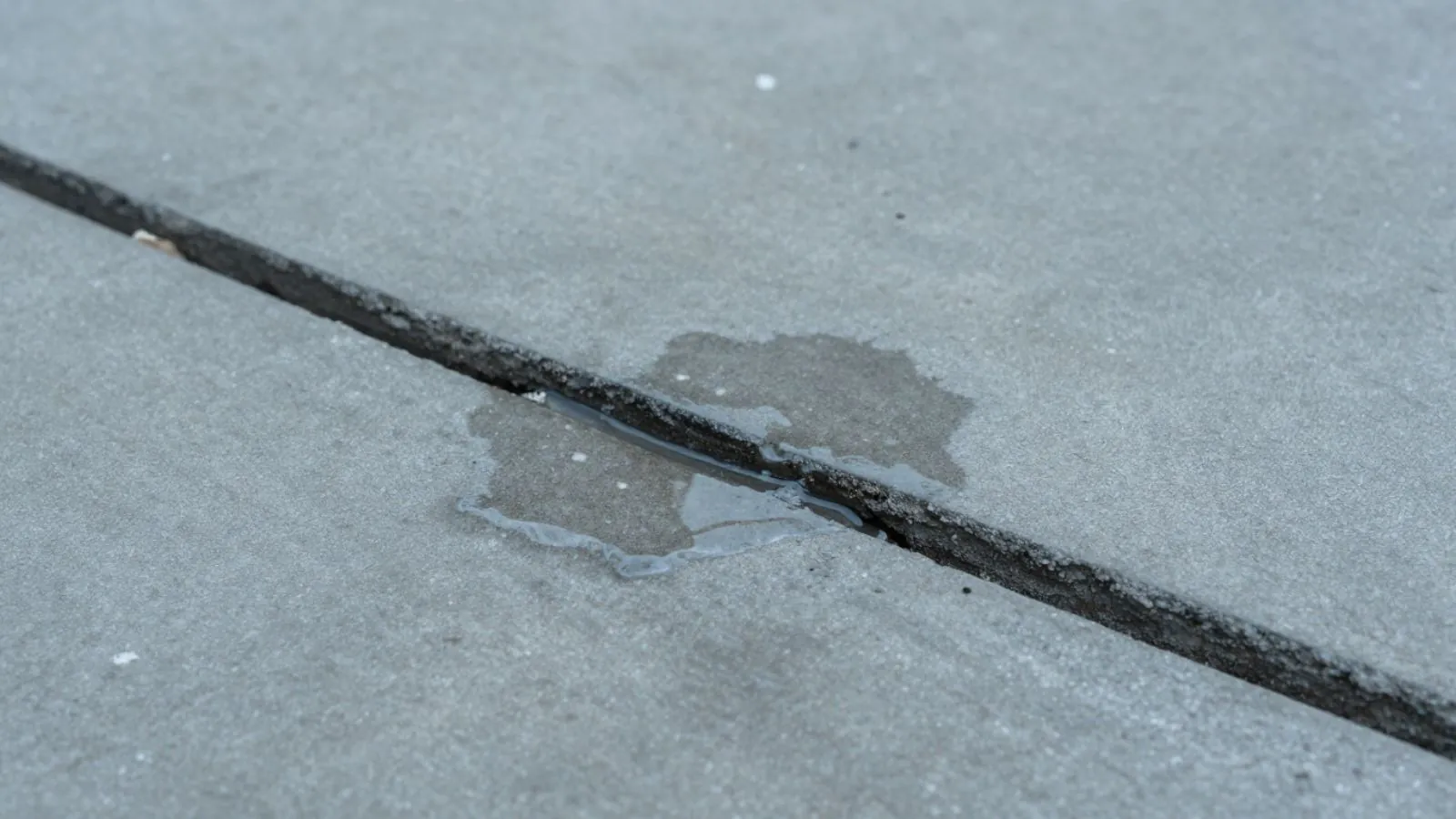
A slab leak is a water line leaking under or inside a concrete floor, and it becomes an emergency when water reaches flooring or the water bill jumps. Dispatch is open 24/7. Shut off the main water valve and call a plumber for leak detection, then call us for the wet floor.
Slab leak water damage in Euclid, OH is the moisture that spreads through flooring, walls and the slab itself after a pressurized line under a concrete floor fails. Slab construction is less common where homes have basements, so this page explains the mechanism and what to do, without claiming it is common on any specific street.
What is a slab leak?
Homes built on a concrete slab can have water lines that run under or through the concrete. If one of those lines corrodes, shifts or fails at a joint, water flows into the gravel under the slab and sometimes up through cracks or into the flooring above.
Many people do not know the term, so here is the symptom version: the floor feels warm in one spot, you hear water running when nothing is on, a patch of flooring is damp or the meter keeps spinning with all fixtures off.
Signs to watch for
- A warm patch on the floor that is not near a vent.
- The sound of running water in silent rooms.
- Damp carpet or lifted flooring with no spill.
- A water bill that suddenly climbs.
- A meter that moves while every fixture is off.
A sudden bill change is a useful warning, and it is worth checking even if the floor still looks dry.
Do this first
- Close the main water valve and see if the meter stops.
- Call a licensed plumber to locate the leak, since detection tools find the spot without breaking the whole slab.
- Lift belongings off wet flooring and photograph everything.
- Call the 24/7 line so drying can start while the plumber works.
Warm floor, running sound or a wet patch? Shut off the main valve and call.
Call (216) 541-8541How the damage is dried
Water under a slab does not evaporate quickly. Crews check flooring, baseboards and the lower wall with meters and a thermal camera, then pull wet carpet or laminate that has soaked it. Drying equipment targets the floor system and the lower wall.
Some leaks need the slab opened for a repair. The restoration work is coordinated with the plumber so drying does not start and stop. Details of the drying process are in structural drying and dehumidification.
Slab leak or something else?
| Clue | Slab leak more likely | Other cause more likely |
|---|---|---|
| Water source visible | No visible source | Dripping fixture or appliance |
| Warm spot on floor | Yes, hot line | No |
| Meter with fixtures off | Spins | Stays still |
| Wet walls above | Rare | Common with supply lines |
A plumber confirms the cause. If an appliance is the likely source, see appliance leak water damage.
What to tell the plumber
Report the date you first noticed the symptoms, the meter reading with fixtures off and the rooms where the floor feels warm or damp. This helps the plumber decide where to test first, and it helps us plan where drying equipment goes.
Standards we follow
We rely on ANSI/IICRC S500 to grade the water and plan drying once a plumber has stopped a slab leak. The standard also reminds us to check the flooring layers above the slab.
Cost and your policy
Cost depends on the area of wet flooring, the material, how long it was wet and how many days of drying are needed. Scope and price are explained before work starts. The plumbing repair and the drying are separate costs.
Coverage for slab leaks depends heavily on the policy wording, including whether damage to the line itself is covered. Ask your insurer, and do not assume either way.
Questions we hear in Euclid
Yes. Dispatch answers 24/7 and sends a crew the same day when one is available. If water is on the floor, call right away.
No. A plumber with leak detection equipment finds the leak. We dry the flooring and structure.
We cannot show local frequency, and many homes in the area have basements. A slab leak is possible in any slab-on-grade room, such as an addition or garage.
Slowly. Moisture can stay in a slab for weeks, so readings guide the work rather than appearance.
Not always. Plumbers can sometimes reroute a line, and sometimes they open the slab at the leak. The plumber explains the options and the restoration crew coordinates drying.