
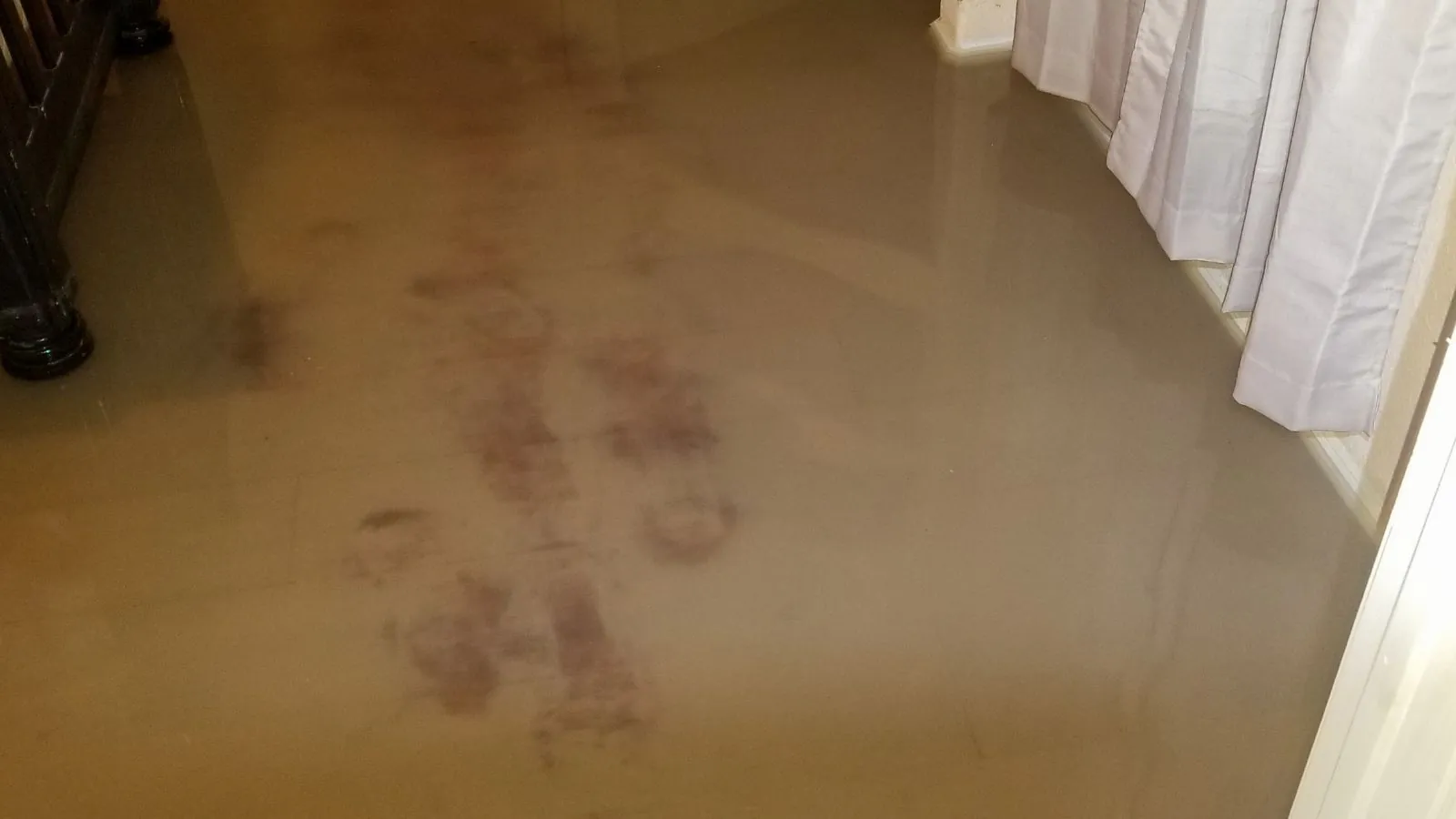
Sewage backup is an emergency because the water is contaminated and can make people ill. Dispatch is open 24/7. Keep everyone out of the area, do not flush or run water, and keep children and pets away while you call.
Sewage backup cleanup in Euclid, OH means removing Category 3 water, soaked porous materials and contaminated debris, then disinfecting and drying the structure. Category 3 is the most contaminated water class in the ANSI/IICRC S500 standard.
Sewage backup: what to do first
Treat every backup as hazardous. The water may carry bacteria and viruses, and cleanup with household tools spreads the problem. Your first moves are about safety, not saving belongings.
- Stop using sinks, tubs, toilets and washers.
- Stay out of the wet area and keep people and pets away.
- Do not touch wet outlets or cords.
- Ventilate the area from a safe spot if you can.
- Call the 24/7 line and ask a plumber to check whether the blockage is in your line or the main.
Why sewage comes up
A blockage in your own lateral, tree roots in an older line, a collapsed pipe or heavy rain overwhelming the system can all push sewage up through the lowest drain. The City of Euclid runs its own wastewater plant, and its public notices list 17 permitted overflow points in a system that is partly combined.
The city says an overflow can happen in rain even when a posting shows none, and that is a reason to treat any rain-related backup as sewage. For who handles the main line, contact the city before you decide whose problem it is.
Hazard and protection
Crews work in protective suits, gloves, boots and respirators. Equipment is bagged or decontaminated before leaving. Containment sheeting keeps contaminated air and water out of clean rooms.
Homeowners should never run a shop vacuum on sewage, because it aerosolizes the water and contaminates the machine.
Sewage on the floor? Stay out, keep others out and call the 24/7 line.
Call (216) 541-8541How cleanup works
- Extraction of liquid sewage with pumps and sealed equipment.
- Removal of porous materials that absorbed it, such as carpet, pad, drywall and insulation.
- Cleaning and disinfecting hard surfaces with antimicrobial products.
- Drying with air movers and dehumidifiers.
- Moisture readings before rebuilding.
If the backup came with a flood, flood damage cleanup explains the overlap. When the sewage sat in the lowest level, basement water damage cleanup covers finished walls and contents.
Symptom-first: a smell and a drain that gurgles
Many people search for what they see, not the trade term. A gurgling drain, a brown stain around a floor drain or a toilet that bubbles when the washer runs can mean a backup is starting. If water has already appeared, this page applies. If only the sounds and smell are present, a plumber should clear the line before water arrives.
Belongings and what to throw out
Porous items that touched sewage, such as upholstered furniture, mattresses, stuffed toys, clothing that cannot be laundered at high heat and paper goods, are usually thrown away. Hard items such as metal, glass and some plastic can be cleaned and disinfected. Photograph everything before disposal and list it for your insurer.
Cost and claims
Sewage jobs depend on the area, the materials removed and the drying days. Scope and price are explained before work starts. Policies often exclude backups unless an endorsement is in place, so ask your insurer whether yours includes sewer or drain backup coverage.
Photograph the water line, the drain and the damaged items before disposal.
Questions we hear in Euclid
Yes. The dispatch line answers 24/7, and a crew with sewage protocol is sent the same day when available.
Small amounts on a hard floor can be cleaned with gloves and a disinfectant, but anything that reached carpet, drywall or a larger area needs trained handling.
A plumber clears and repairs the line. If the problem is in the city main, contact the city. We handle the contaminated area.
Often only with a specific endorsement. Check your policy or ask your insurer before you assume either way.
Usually only if the contaminated area can be sealed off and you have another bathroom and kitchen. A crew can advise on staying or leaving based on how far the backup spread.