
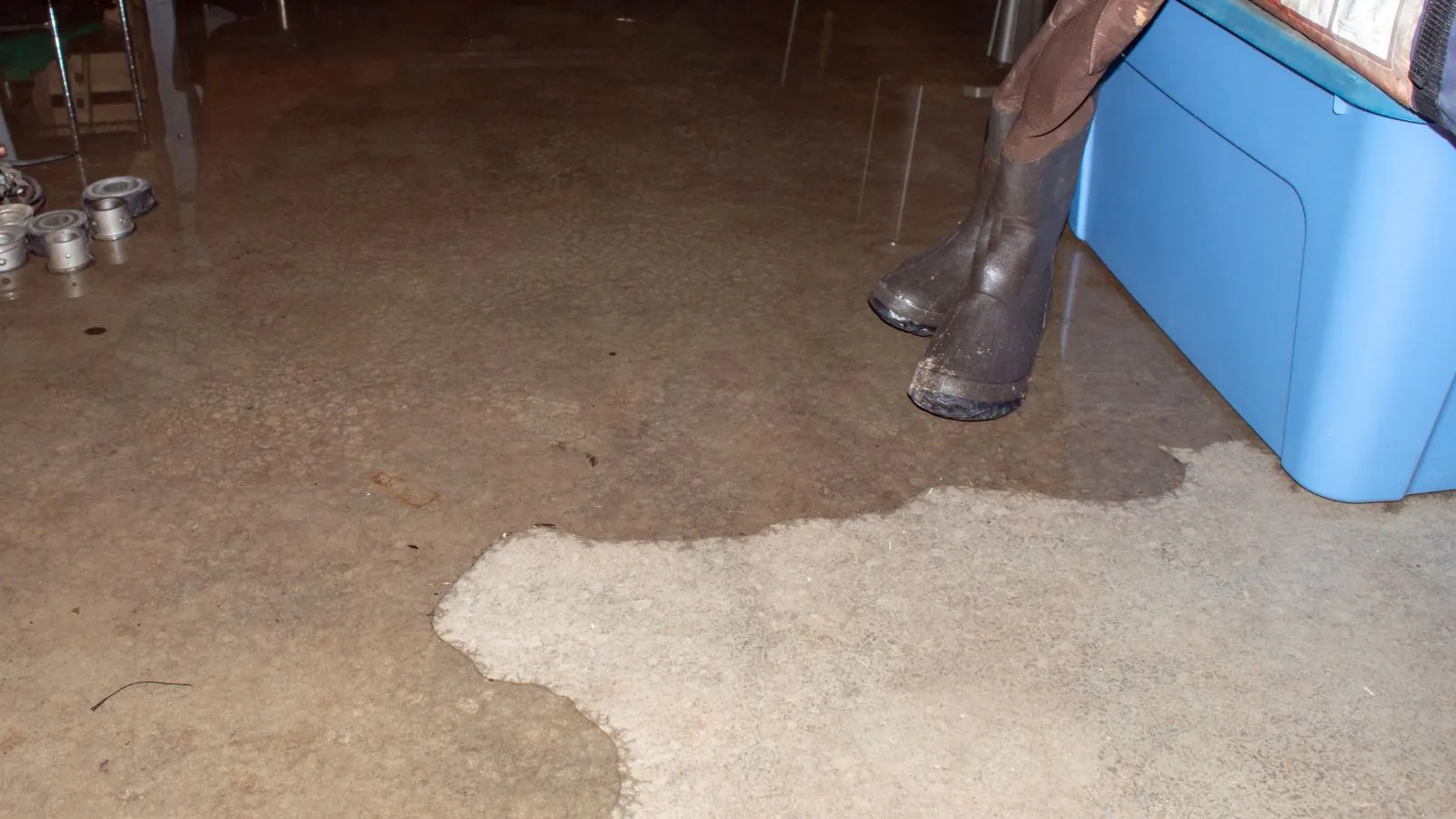
Basement water is an emergency because it is already in the lowest room, where furnaces, panels and stored belongings sit. Dispatch is open 24/7. Stay out of the water if the panel or outlets are wet, shut off the main water valve if a pipe is the source and call before you carry boxes upstairs.
Basement water damage cleanup in Euclid, OH is the removal of water from a below-grade room, the sorting of contents, and the drying of walls, stairs and the floor slab. Many Euclid homes have full basements, but the cleanup is a restoration job, not waterproofing.
When basement water is an emergency
Water over the floor, water rising, any water near the furnace, water heater or panel and any water that came from a drain is urgent. Even a modest amount can wick into drywall and carpet quickly.
- Shut off the water main if a pipe is leaking.
- Do not enter if water touches outlets or the panel.
- Unplug and lift electronics on the lower shelves only if it is safe.
- Bring valuables upstairs after photographing them in place.
- Call the 24/7 line and describe what is stored and finished.
Where basement water comes from
A failed sump pump, a power outage during heavy rain, seepage through walls or floor cracks, a plumbing or water heater leak and a drain backup are the common sources. Which one it is changes how the water is classified, which affects what is saved.
The City of Euclid Building and Housing Department can say which permits apply if walls are opened or electrical work follows, and your FEMA flood map zone tells you whether flood coverage is worth asking about. If the water came through a drain, see sewage backup cleanup.
How the cleanup works
Water is pumped, then extractors handle what remains. Contents are sorted by value and condition. Unfinished spaces dry faster, while finished spaces with drywall, paneling and carpet need more removal and more equipment.
Flooded basements dry slowly in humid weather, so dehumidification carries much of the load. See structural drying and dehumidification for equipment and timing.
Basement taking on water? Stay out if it reaches the panel, then call us.
Call (216) 541-8541Finished or unfinished?
| Basement type | What usually happens |
|---|---|
| Unfinished with concrete floor | Extract, clean, dry, monitor |
| Finished with carpet | Remove wet carpet and pad, dry the slab, replace later |
| Finished with drywall | Cut out wet drywall above the water line, dry framing |
| Stored contents | Sort, clean what can be cleaned, discard the rest |
An honest note on waterproofing
Restoration puts a basement back after water has been in it. It does not stop water from coming again. If seepage or a foundation crack is the cause, a waterproofing or foundation specialist handles the fix. We say so up front so you do not pay twice.
Contents: what to move first
Photograph stored items before moving them. Start with paperwork, photos, electronics and anything of value that sits on the lowest shelves. Cardboard boxes wick water upward and fall apart, so move them out of the wet zone early. Soft items such as upholstery and mattresses are discussed with the crew, since they often cannot be saved if the water was contaminated.
Standards we follow
Under ANSI/IICRC S500, basement water is graded by source and by how long it sat. Groundwater and storm intrusion are treated as contaminated, so porous materials are handled differently than after a clean supply line leak.
Cost and claims
Cost depends on the depth, the finished area, the contents, the water category and the days of drying. Scope and price are explained before work starts. Many policies exclude seepage and backup unless endorsed, so ask your insurer what yours covers.
Photograph the water line on the walls before it is cleaned, and list stored contents.
Questions we hear in Euclid
Yes. Basement floods often start in the middle of the night, so the line takes calls at all hours and sends a crew the same day when one is free.
No. Restoration puts the space back after water entered. A waterproofing specialist fixes the entry.
Several days is typical for unfinished space, and longer for finished areas. Readings decide.
Often only with specific endorsements, and flood damage usually needs a flood policy. Ask your insurer.
Not always. Hard items like metal and glass can usually be cleaned. Cardboard, upholstery and anything that touched contaminated water are usually discarded. Photograph items first and sort with the crew.